What is Transcritical CO2 Refrigeration?
Transcritical CO2 refrigeration is a system that uses carbon dioxide (CO2) as the refrigerant in both subcritical and transcritical phases. Unlike traditional refrigeration systems that operate below the critical point of the refrigerant, transcritical CO2 systems operate above the critical point in certain parts of the cycle. When operating above this point, the CO2 is considered a supercritical fluid, meaning it behaves like both a gas and liquid. This involves higher pressures and temperatures, particularly in the gas cooler, which replaces the traditional condenser.
As the world moves towards more sustainable and environmentally friendly solutions, the refrigeration industry is undergoing a significant transformation.
The Key Components of a Transcritical CO2 Refrigeration System include:
- Compressor: Compresses CO2 gas to high pressures.
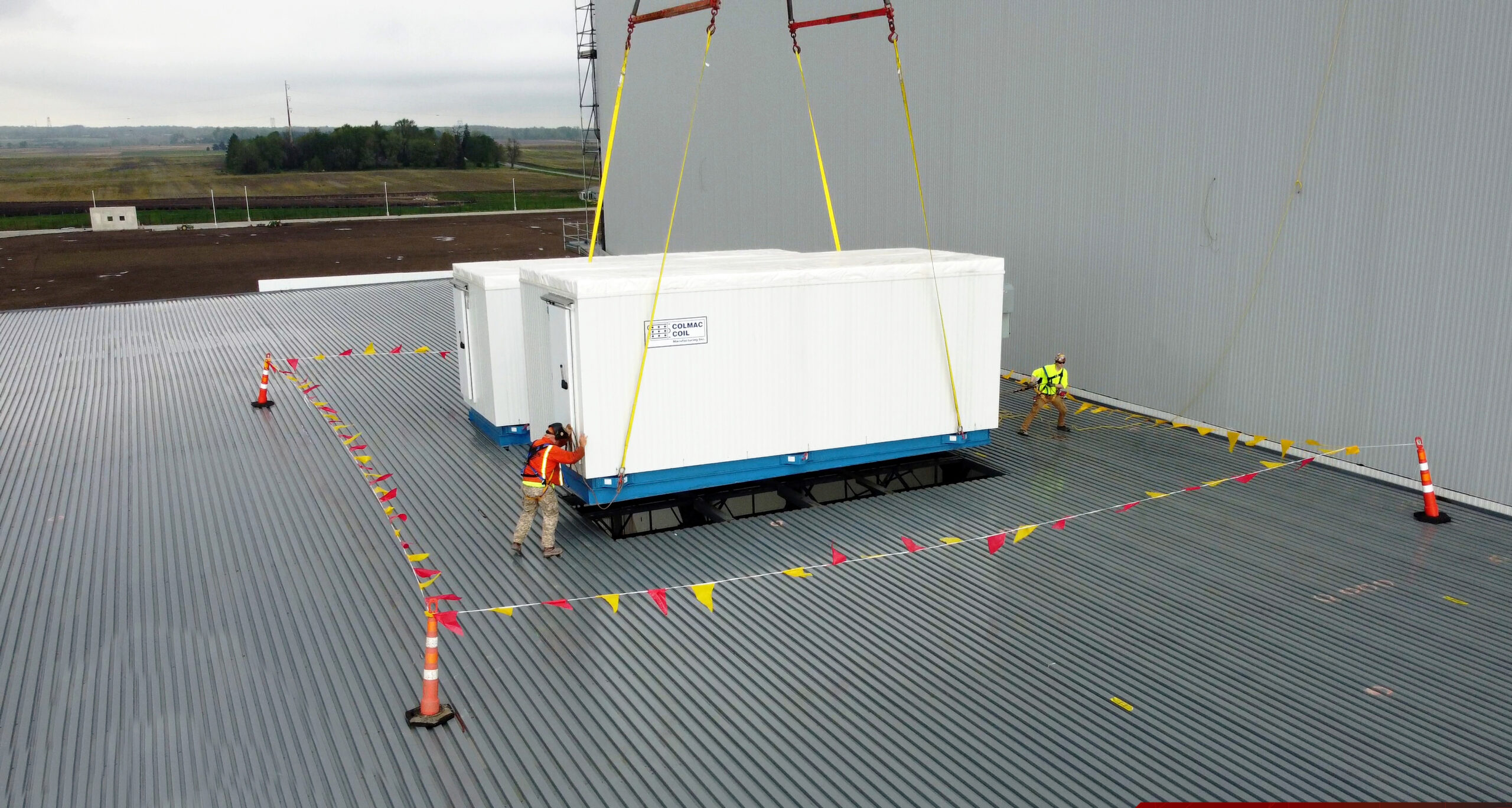
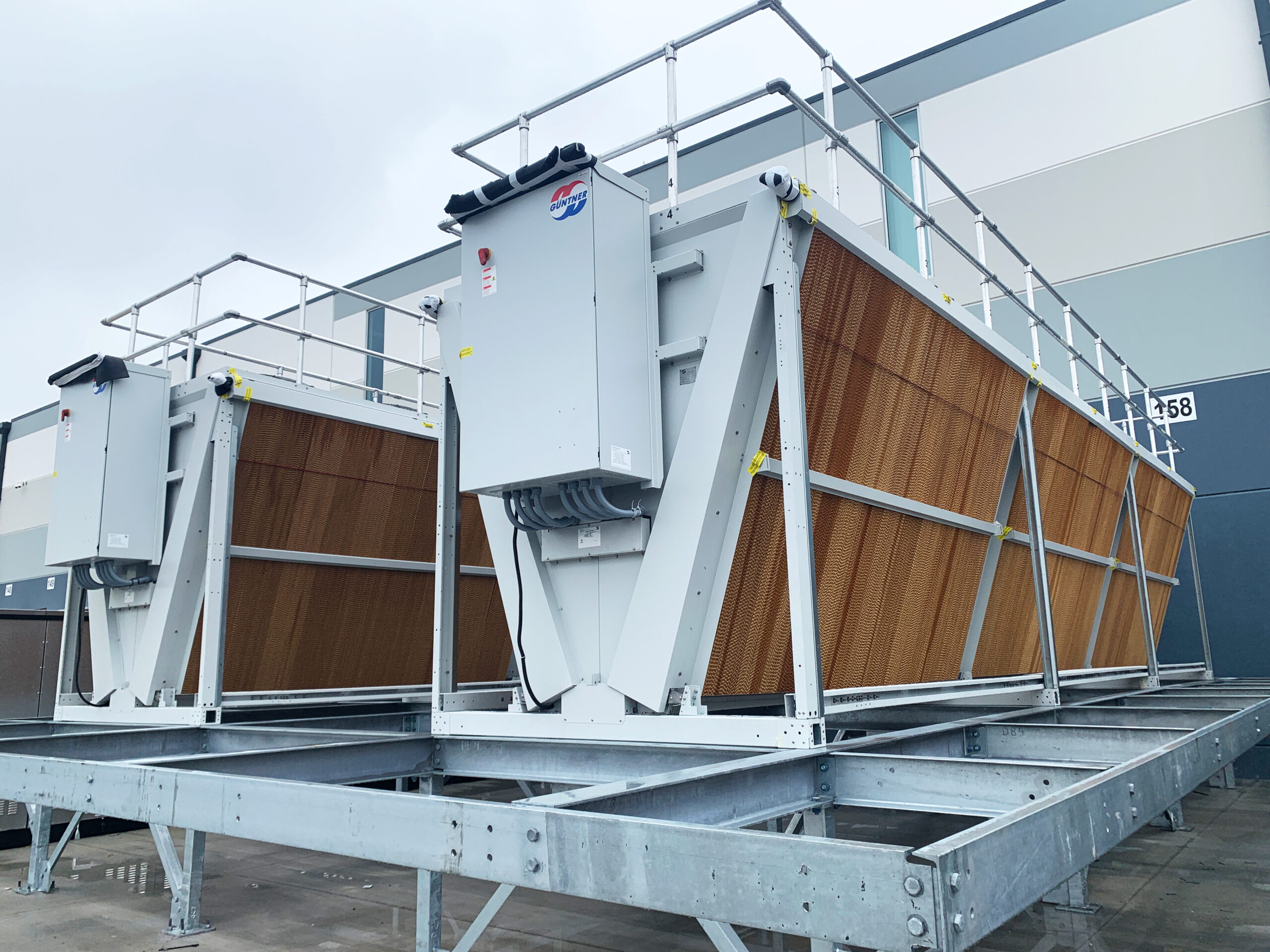
- Gas Cooler: During subcritical operation acts as a standard condenser, however, during transcritical operation it cools the high-pressure CO2 gas without condensing it, as it remains in a supercritical state. Rejects the heat absorbed during the evaporator phase to the atmosphere.
- Expansion Valve: Reduces the pressure of the CO2, causing it to cool and partially evaporate.
- Evaporator: Absorbs heat from the environment, cooling the space or product using the boiling of the CO2 as the main form of heat absorption.
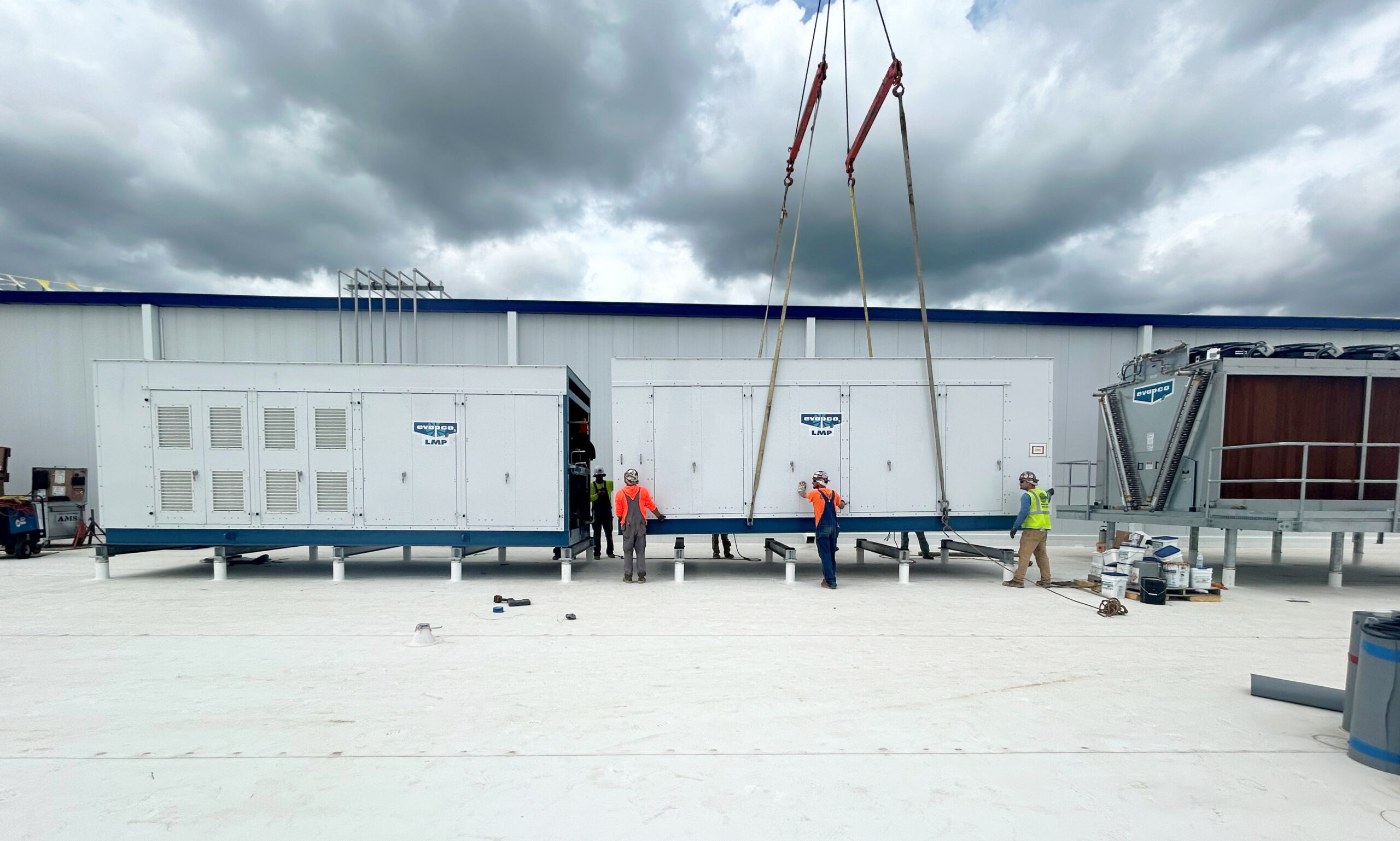
Benefits of Transcritical CO2 Refrigeration
Ozone Depletion and Global Warming Potential are going to continue to be a major regulator hurdle as the laws and regulations surrounding refrigerants keep changing. Navigating this space becomes much easier with CO2 because it has Zero Ozone Depletion Potential (ODP) as well as a Global Warming Potential (GWP) of 1 as it is the baseline from which all other refrigerants are measured.
In addition to having lower regulatory oversight, compared to Ammonia, HCFCs, and HFCs, CO2 is more efficient under certain conditions than most HCFCs and HFCs. The performance is also made better in colder climates. The lower ambient temperatures produce a higher coefficient of performance (COP). End users can push the efficiency further by capitalizing on the high discharge temperatures from the compressors with heat recovery systems that can be used for heating, hot water pre-heating, underfloor hydronics, etc.
A major concern that users have with refrigerants is health and safety. While CO2 can displace air in a room, it is safer than almost any other refrigerant due to its inert nature. It is non-flammable and non-toxic. The higher pressures can be a concern for some customers, but proper safety systems and procedures reduce the risk to employees.
AMS is a signatory to the MEP2040 plan and as such we have an obligation to help our customers be more environmentally friendly. Transcritical CO2 refrigeration systems exemplify the principles of MEP2040 by integrating advanced technology and automation for enhanced efficiency and sustainability. These systems can be monitored and controlled remotely with a suite of options, enabling predictive maintenance and optimizing performance.
MEP2040 Signatories Have Agreed to the Following:
- Reducing Operational and Embodied Carbon: Establishing plans to achieve net-zero carbon for operational systems by 2030 and for embodied carbon by 2040.
- Requesting Low-GWP Refrigerants: Actively seeking and using refrigerants with low global warming potential, such as CO2.
- Using Environmental Product Declarations (EPDs): Requiring EPDs in project specifications to ensure transparency and sustainability of materials used.
- Environmental, Social, and Governance (ESG)
- Environmental: The use of CO2 as a refrigerant supports environmental goals by reducing greenhouse gas emissions and contributing to climate change mitigation.
- Social: Implementing sustainable refrigeration solutions demonstrates a commitment to corporate social responsibility (CSR), enhancing the company's reputation and customer trust.
- Governance: Adopting transcritical CO2 systems reflects strong governance practices by adhering to regulatory standards and proactively addressing environmental concerns.
Transcritical CO2 refrigeration systems represent a cutting-edge solution for the refrigeration industry, offering substantial environmental and energy efficiency benefits. By aligning with MEP2040 and ESG initiatives, companies can not only improve their operational efficiency but also contribute to a sustainable future. As the industry continues to evolve, the adoption of transcritical CO2 systems will play a crucial role in meeting the growing demand for environmentally responsible refrigeration solutions.