Integrated Project Delivery
Throughout its history, AMS Industries has successfully operated under virtually every type of contractual relationship in the construction industry. We have partnered with owners, A/E firms, general contractors, and a wide range of subcontractors, bringing flexibility and expertise to every project. Through integrated project delivery (IPD) and other teaming arrangements, AMS fosters transparency, shared accountability, and streamlined communication to drive better project outcomes. Many of these partnerships have evolved into long-standing relationships, reflecting our commitment to trust, performance, and continuous improvement.
While traditional project delivery methods often limit collaboration and efficiency, AMS Industries recognizes the need for innovation. That’s why we actively champion modern approaches like integrated project delivery to replace outdated practices and deliver higher value to our clients.
Advancing Collaboration Through IPD
We at AMS Industries believe this step change can be made through our Integrated Project Delivery (IPD) approach to a project. Our approach begins well before any bid opportunity arises. It requires intentional investment in building strong relationships with like-minded partners, aligning goals, and developing cohesive teams over time. By fostering these partnerships early, AMS ensures that when opportunities do emerge, we are positioned as the team of choice.
While AMS Industries has long collaborated across a variety of contracting methods, we recognize that true innovation requires a deeper level of partnership. By applying integrated project delivery (IPD) principles, we work alongside partners to co-develop project execution strategies by discipline and work group. This process allows us to identify and implement best practices from across the entire team while systematically eliminating inefficiencies and waste. Our preferred contracting structure is a cost-plus-fee (open book) model with performance-based incentives.
Key Focus Areas:
- Project Management Plan
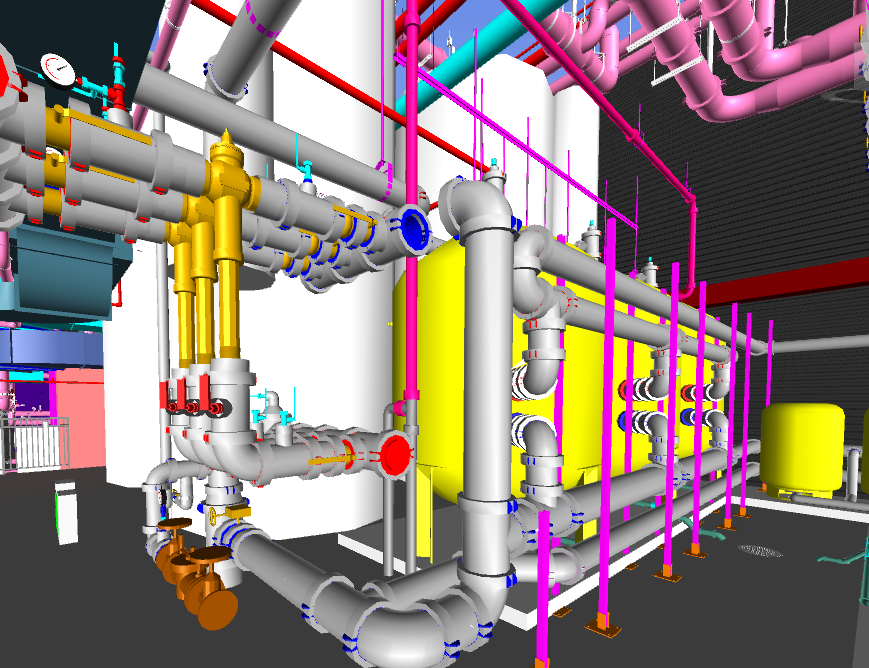
- Design/Engineering Plan/BIM
- Project Controls/Information Management/Lean
- Quality Plan
- Safety Plan
- Industrial Relations Plan
- Contracting Plan
- Procurement Plan
- Risk Management Plan
Successful Collaboration:
- Key participants bound together as equals
- Shared financial risk-reward based on outcomes
- Liabilities waivers between key participants
- Fiscal transparency
- Early involvement of key participants
- Jointly developed project targets